
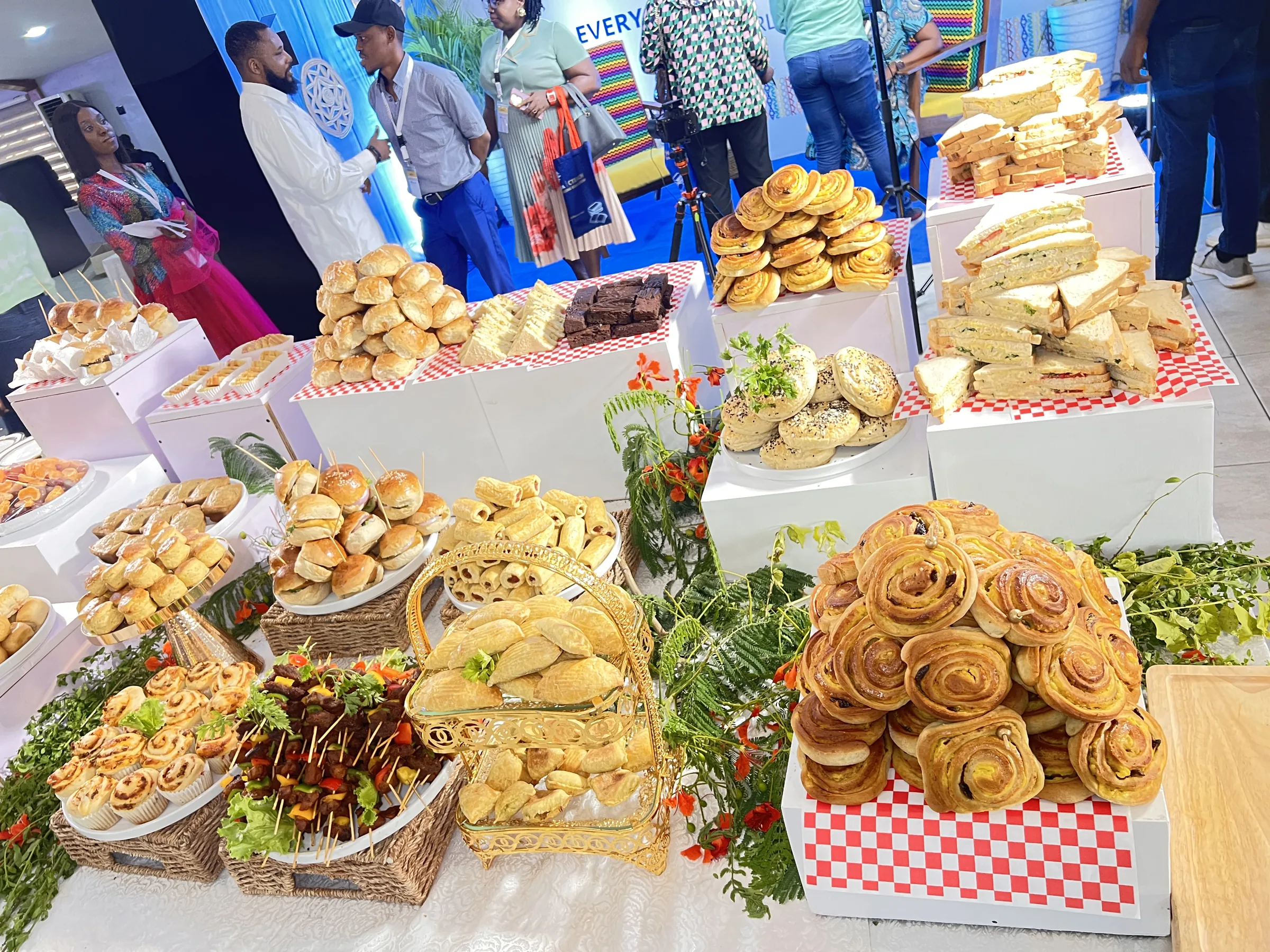
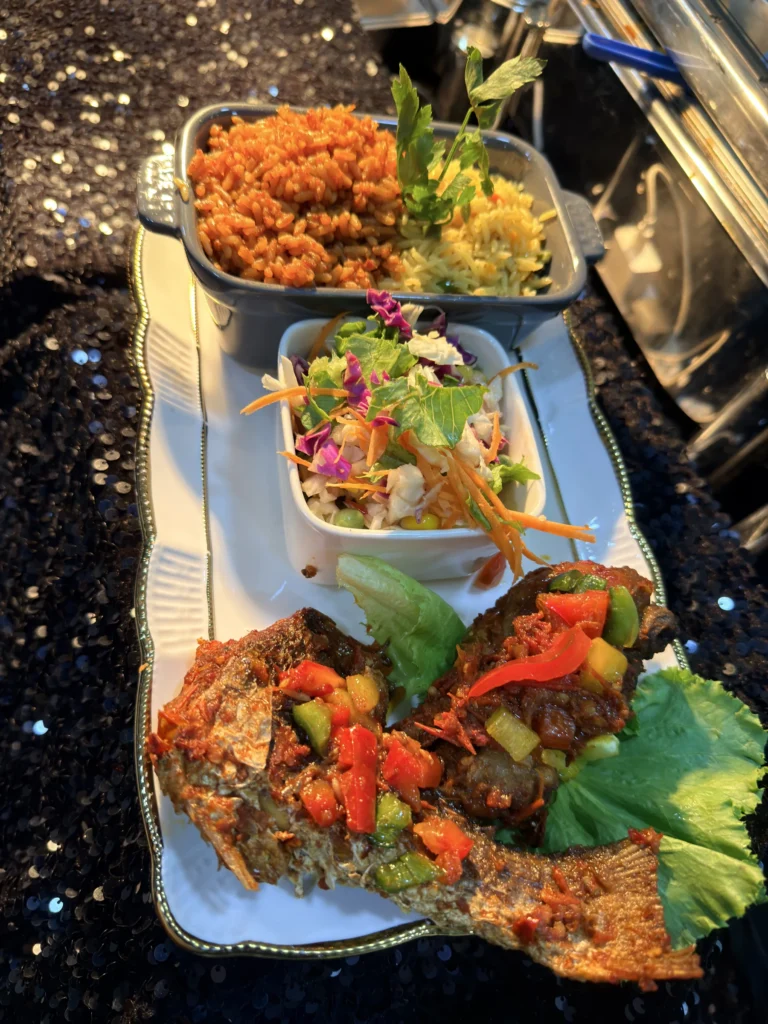
Picture a conference lunch. Instead of the usual limp sandwiches, guests find smoky jollof, grilled fish with pepper sauce, fonio salad and chilled zobo. The room comes alive. African corporate catering is growing fast because companies want events that feel memorable and proudly local. But a great menu for 300 professionals needs more than great recipes. It needs planning.
What makes African corporate catering work?
Successful African corporate catering balances three things: flavour that feels authentic, food that is easy to eat in a business setting, and service that runs like clockwork. Guests are often networking, presenting or rushing between sessions. The food has to support that, not get in the way.
That means thinking about portion size, mess and timing as carefully as taste. A rich, bony fish stew may be delicious, but it is a nightmare for someone in a suit with a plate in one hand and a phone in the other.
Start with the brief, not the recipe
Before choosing dishes, ask the right questions:
- How many guests, and is it seated, buffet or standing?
- How long is the break between sessions?
- Are there international guests who may be new to African food?
- What dietary requirements need covering?
- What is the company trying to say with the event?
A product launch might call for elegant small plates. A staff end-of-year party suits generous buffet favourites. A two-day conference needs variety so day two does not feel like a repeat of day one.
Building a balanced African menu
A good corporate menu has a clear structure. Think of it as a mix of familiar crowd-pleasers and a few dishes that spark conversation:
- A rice or grain centrepiece: jollof, fried rice, coconut rice or fonio.
- Proteins: grilled chicken, peppered fish, beef suya or bean-based dishes.
- Vegetables: efo riro, sautéed greens, plantain and fresh salads.
- Small bites: puff-puff, mini moi moi, chin chin or plantain chips.
- Drinks: zobo, tiger nut milk (kunun aya) and chilled water.
Mind the heat level too. Scotch bonnet is central to West African cooking, but a conference room full of guests from different backgrounds will have very different tolerances. Cook the main dishes to a medium heat and serve a fiery pepper sauce on the side. Everyone gets the true flavour, and those who love it hot can add as much as they like. It is a small decision that keeps every guest comfortable.
Label every dish clearly with a short description. A card that reads “moi moi: steamed bean pudding with peppers” turns hesitation into curiosity.
Handling dietary needs with confidence
Corporate guests come with a wide range of needs. Plan for vegetarian, vegan, gluten-free and halal options from the start rather than as an afterthought. African cuisine makes this easier than you might think. Bean dishes, plantain, vegetable stews and fonio are naturally inclusive.
Allergens deserve particular care. Groundnuts appear in many West African dishes, from suya spice to groundnut soup, and crayfish is common in stews. Keep an allergen matrix for every dish, brief your service team and separate serving utensils to avoid cross-contact.
Timing, holding and food safety
Large events are where food safety is tested. Food is often cooked hours before service, transported and held hot for long periods. Every step is a risk if it is not controlled.
Good practice includes:
- Cooking as close to service as possible.
- Holding hot food above 63°C and cold food below 8°C, in line with Food Standards Agency guidance.
- Logging temperatures throughout service.
- Discarding food that has been left out beyond safe limits.
Clients may never see these checks, but they will certainly notice if something goes wrong.
Presentation that matches the occasion
African food is generous and colourful, so let it shine. Use clean serving ware, fresh garnishes and simple signage. For premium events, consider live stations: a suya grill or a jollof station creates theatre and gets people talking.
Train staff to explain the dishes warmly and briefly. Good service turns a meal into an experience.
Final thoughts
African corporate catering is more than feeding a crowd. It is a chance to showcase heritage with the professionalism modern businesses expect. With a clear brief, a balanced menu and strict food safety, African food can be the highlight of any corporate event.
Planning a conference, launch or staff event? Get in touch to design an African menu your guests will remember.
From Brooklyn to Brussels: How African Restaurant Weeks Are Changing the Conversation