
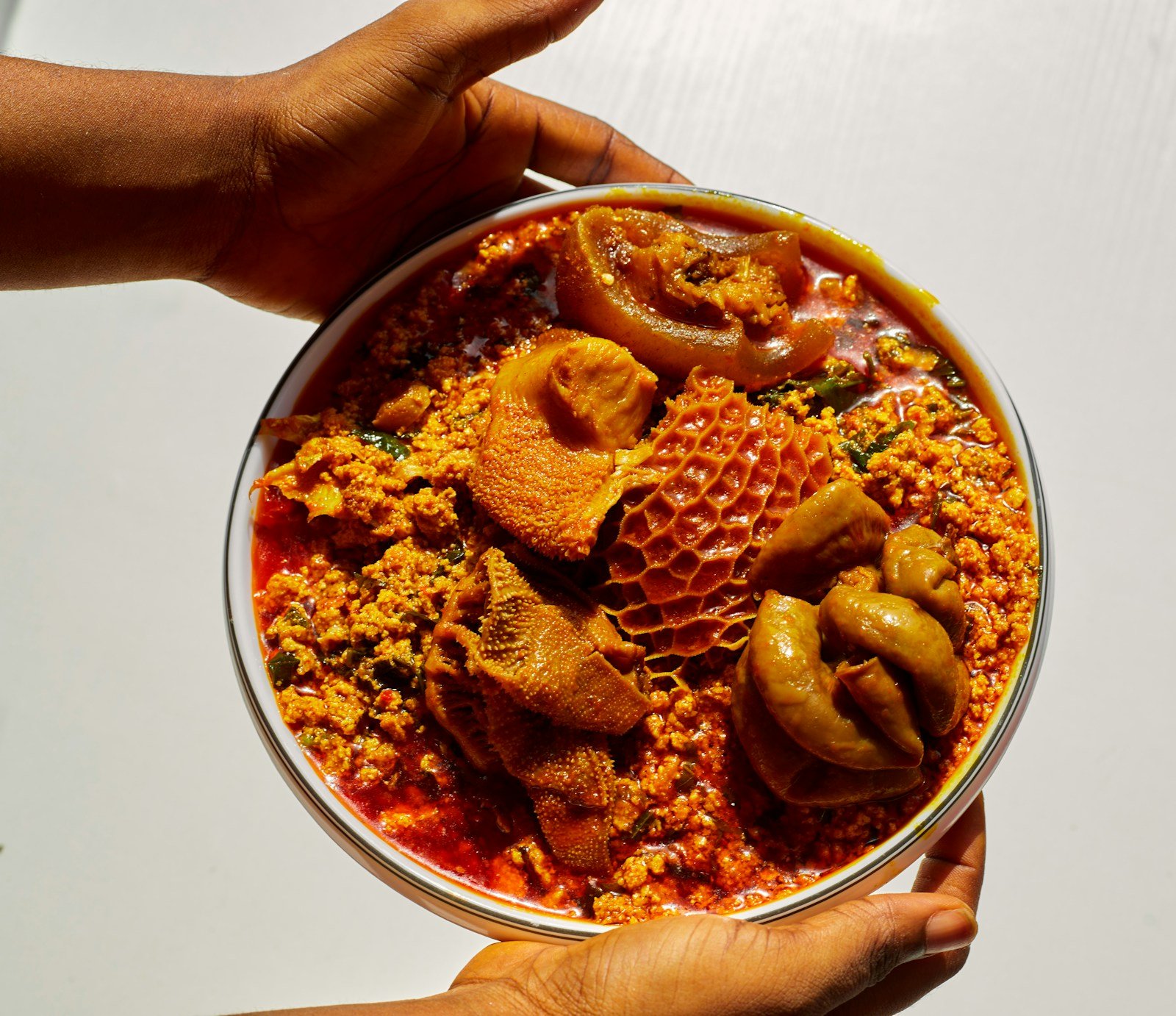
Two weeks. That is all it took. When researchers swapped a group of healthy young Tanzanian men from their traditional African diet to a Western one, their bodies began showing signs of inflammation linked to lifestyle diseases. The study confirmed what many grandmothers have said for years: the food we grew up on is worth protecting. Here is what the science found, and how to bring those lessons back to your table.
Is a traditional African diet really healthier?
The evidence says yes, at least compared with a diet heavy in processed foods. A study led by Radboud University Medical Center and Kilimanjaro Christian Medical University College, published in Nature Medicine, followed men with a median age of 26 in northern Tanzania.
Those who switched from their usual Kilimanjaro diet to a Western one (think white bread, sausages and fried chips) showed more inflammatory proteins in their blood and a weaker immune response to pathogens. Meanwhile, men who switched the other way, from an urban Western diet to the traditional one, saw their inflammation markers fall.
In short, a traditional African diet is not just comfort food. It is protective food.
What does the diet actually include?
The diet in the study was rich in fibre and plants, with very little processing. Typical staples included:
- Green leafy vegetables, often cooked into stews and sauces.
- Beans and other legumes.
- Plantains, cassava, taro and other root crops.
- Whole grains such as millet and sorghum.
- Fermented drinks, including the banana-based mbege.
If that list sounds familiar, it should. Swap the names and you have the backbone of countless West African kitchens too: efo riro, ewa agoyin, boiled yam, ogi made from fermented maize or millet, and plenty of fresh pepper.
The quiet power of fermentation
One of the most interesting findings concerned fermented drinks. Participants who drank mbege daily also showed lower inflammation. Fermentation produces beneficial compounds and supports a healthy gut, which plays a big role in immunity.
Africa has an extraordinary fermentation tradition. Ogi and akamu, iru (fermented locust beans), ogiri, kenkey and injera all rely on it. These foods were developed for preservation and flavour long before anyone talked about probiotics. Today they deserve a second look from nutritionists and chefs alike.
The challenge is safety. Home fermentation needs clean water, clean vessels and careful handling. Getting that right is where training makes all the difference.
Why our diets are shifting
Across African cities, eating habits are changing fast. Busy schedules, long commutes and aggressive marketing have made instant noodles, sugary drinks and fried snacks part of everyday life. The researchers warned that this shift is likely contributing to rising rates of diabetes, heart disease and high blood pressure on the continent.
None of this means modern life is the enemy. It means convenience has been designed around processed food rather than heritage food. That is a problem caterers, food businesses and educators can help to solve.
How to bring heritage eating back
You do not need to move to Kilimanjaro to benefit. A few practical changes go a long way:
- Build plates around vegetables and legumes. Let meat be a flavour, not the main event.
- Choose whole grains. Millet, sorghum, fonio and unpolished rice all add fibre.
- Keep fermented foods in rotation. A bowl of ogi or a spoon of iru counts.
- Cook more, buy less ready-made. Batch-cook stews at the weekend to save time midweek.
- Cut back on sugary drinks. Unsweetened zobo with ginger is a refreshing swap.
What this means for workplaces and events
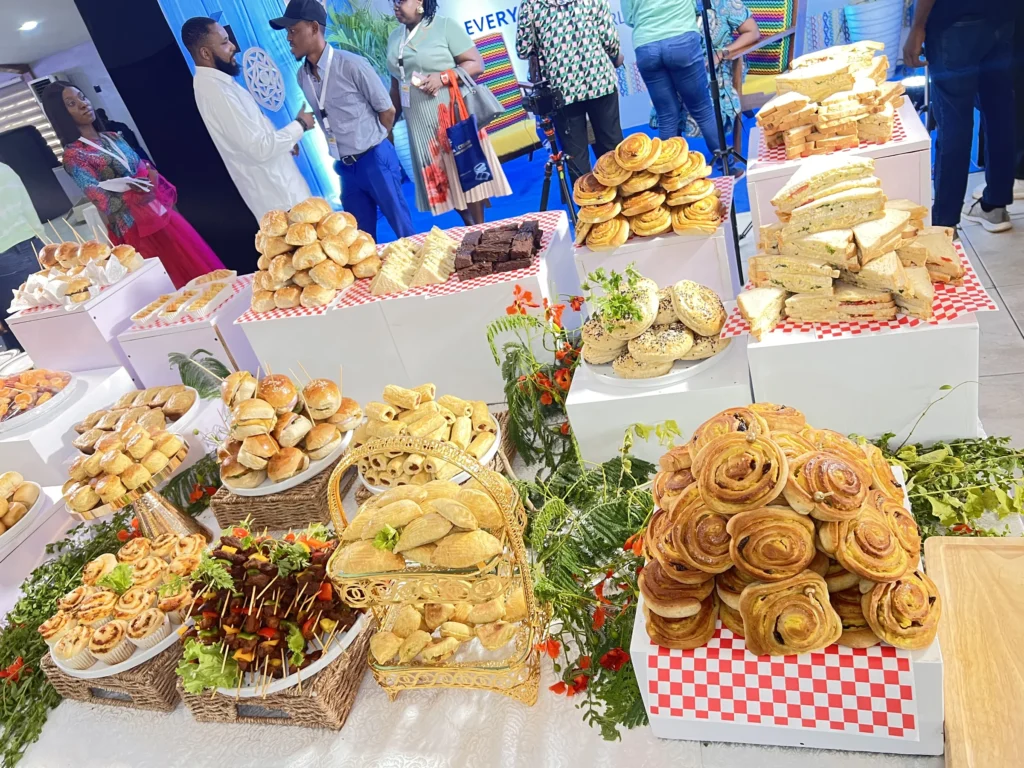
Corporate menus are a powerful lever. When hundreds of people eat lunch from the same kitchen every day, small choices add up. Serving a vegetable-rich soup, a whole-grain swallow option and fresh fruit instead of pastries can quietly improve a whole team’s health.
The key is flavour. People will not choose the healthy option because it is good for them. They will choose it because it tastes like home.
Final thoughts
The traditional African diet is not a trend to rediscover. It is a heritage to protect. Science is finally confirming what our kitchens have always known: whole, plant-rich and fermented foods help keep the body strong.
Want help designing balanced menus rooted in African food traditions? Get in touch, or share how you keep heritage dishes on your table.
From Brooklyn to Brussels: How African Restaurant Weeks Are Changing the Conversation