
Walk into a wellness shop in London or New York and you will probably find a pouch of baobab powder sitting next to the matcha. African superfoods have quietly moved from village markets to premium shelves. Fonio, baobab, moringa and hibiscus are suddenly everywhere. But here is the twist: for millions of West African households, none of this is new. It is simply Tuesday’s dinner.
What makes African superfoods so special?
African superfoods earn the label because they pack serious nutrition into hardy, low-input crops. Many grow in dry soil, need little water and have been bred by farmers over generations rather than by laboratories. That makes them interesting to nutritionists and climate researchers alike.
The four names you will hear most often are:
- Fonio: a tiny, gluten-free ancient grain with a nutty taste that cooks in about five minutes.
- Baobab: a tangy fruit pulp that is naturally dry on the tree and rich in vitamin C, calcium and fibre.
- Moringa: a leafy tree whose powdered leaves are high in protein, iron and antioxidants.
- Hibiscus: the deep red flower behind zobo in Nigeria, bissap in Senegal and sobolo in Ghana.
According to CBI, the Dutch import promotion centre, demand for these ingredients is rising across Europe as shoppers look for natural, functional foods.
Fonio: the grain that cooks faster than pasta
Fonio has been grown in the Sahel for thousands of years. It was once dismissed as “poor people’s food”, yet it is now one of the most talked-about grains in the world. The American brand Yolélé, co-founded by Senegalese chef Pierre Thiam, began selling fonio from smallholder farmers in a single New York shop in 2017, as Fi Global reports.
In the kitchen, think of it as a lighter, fluffier cousin of couscous. Steam it, fluff it with a fork and serve it with a pepper sauce, or toss it cold with tomatoes, cucumber and lime. It also makes an excellent porridge. For anyone catering to guests who avoid gluten, fonio is a genuine problem-solver rather than a compromise.
Baobab and moringa: nutrition in powdered form
Baobab is unusual because the fruit dries naturally inside its hard shell. The chalky pulp is simply cracked out, sieved and packed. It tastes like a cross between sherbet and pear, which is why it works so well in smoothies, yoghurts and even salad dressings.
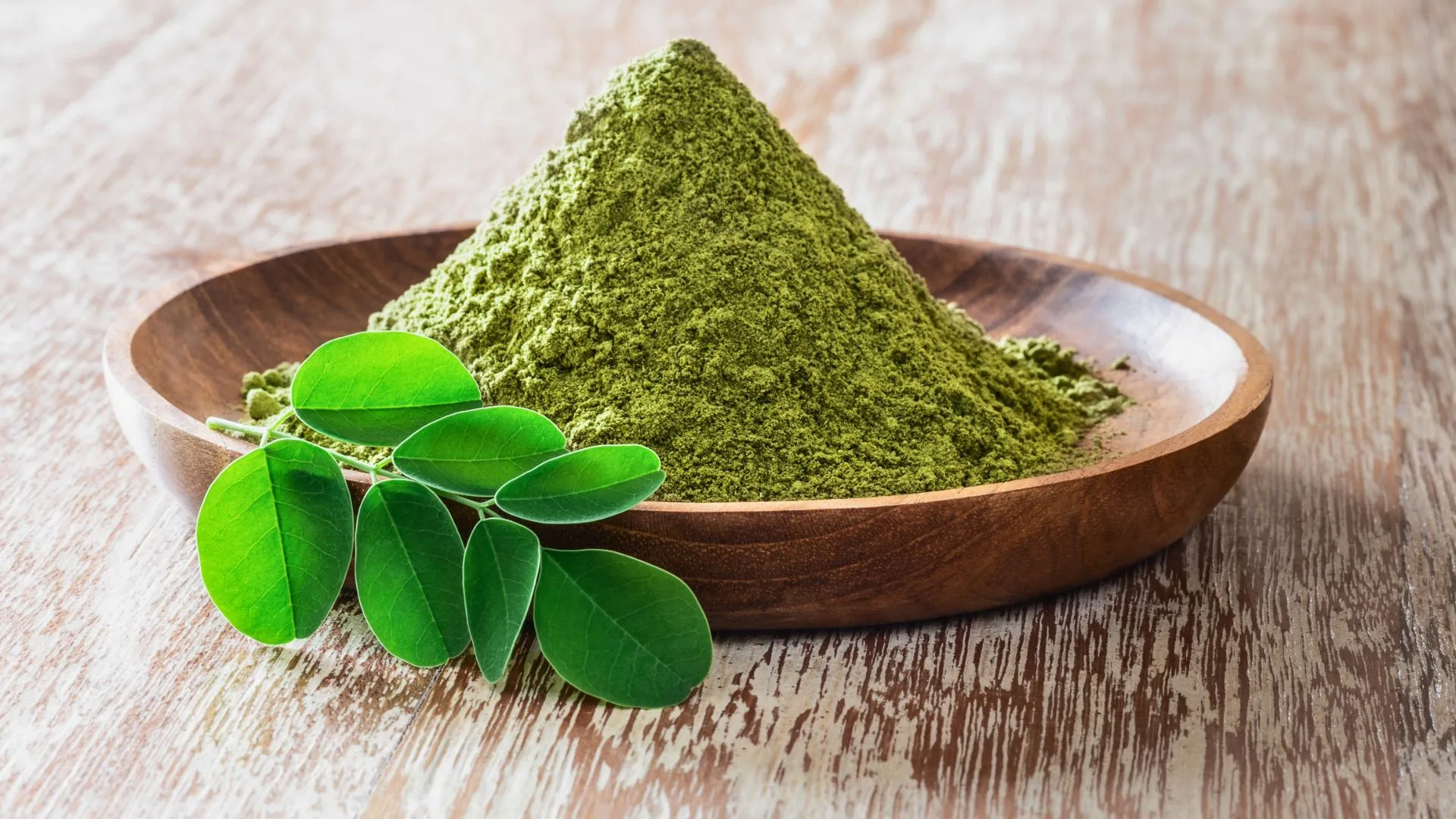
Moringa is the opposite in flavour: grassy, slightly bitter and very green. A teaspoon stirred into a stew or a soup barely changes the taste but adds a useful boost of iron and protein. In parts of Nigeria, fresh moringa leaves (ewe igbale) are cooked like spinach, and that is still the most delicious way to enjoy them.
A quick tip: both powders are best added at the end of cooking, as long exposure to heat dulls their colour and some of their vitamins.
Hibiscus: the drink that never needed rebranding
If you grew up in West Africa, you already know hibiscus as zobo or bissap. The dried petals are steeped with ginger, cloves and sometimes pineapple peel to make a tart, ruby-red drink served at weddings, naming ceremonies and office parties.
Globally, hibiscus is now sold as a wellness tea and a natural food colouring. The lesson for African food businesses is simple. You do not have to change a product to sell it abroad. You have to tell its story well, package it cleanly and meet international food safety standards.
Sourcing African superfoods responsibly
Popularity brings pressure. When a crop becomes fashionable overseas, prices can rise beyond the reach of the communities that have always eaten it. Poorly regulated supply chains can also mean inconsistent quality and contamination risks.
If you buy or cook with these ingredients, look for:
- Clear origin information, ideally naming the country and region.
- Brands that work directly with smallholder farmers or cooperatives.
- Proper storage and labelling, especially for powders, which absorb moisture easily.
For caterers and chefs, building relationships with trusted local suppliers is the surest way to protect both quality and fairness.
Bringing them back to the everyday plate
The most exciting part of this trend is not the export market. It is the renewed pride at home. Young chefs across the continent are putting fonio salads, baobab glazes and moringa pesto on their menus, proving that heritage ingredients can feel modern without losing their roots.
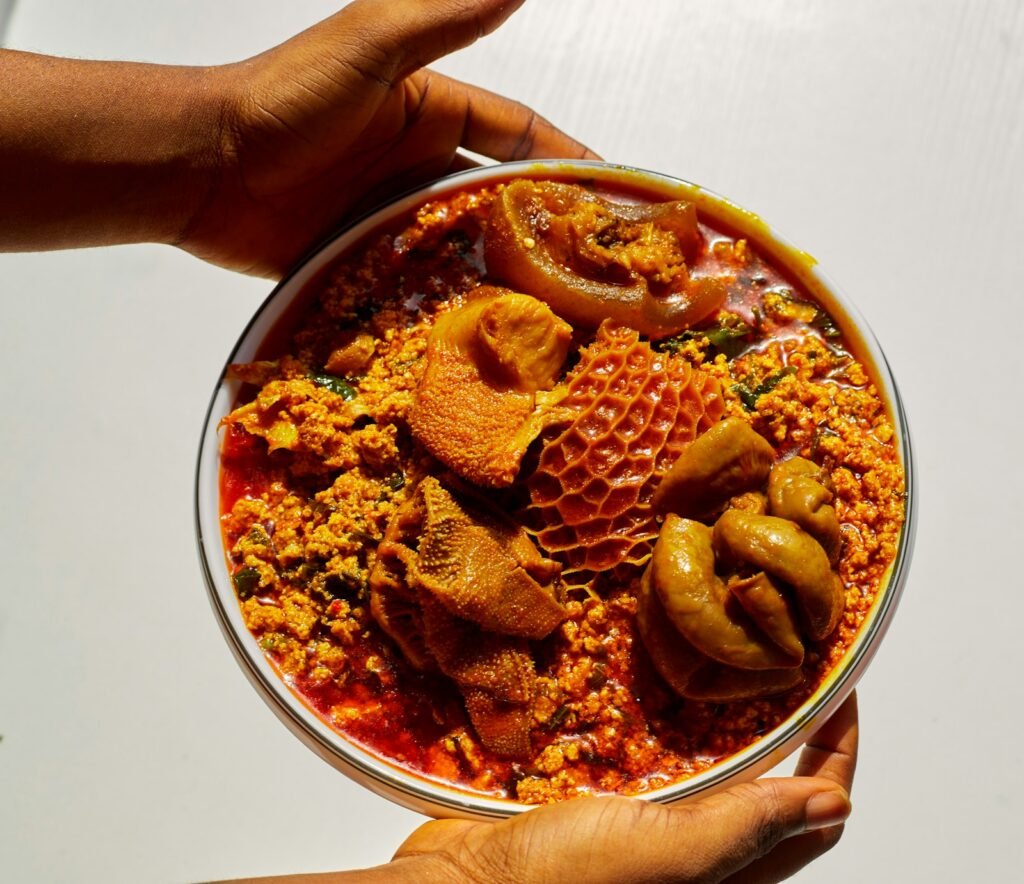
Start small. Swap rice for fonio once a week, add moringa to your next pot of efo riro, or serve chilled zobo instead of a fizzy drink at your next event.
Final thoughts
African superfoods are not a passing fad. They are proof that the continent’s food heritage holds answers to modern questions about health and sustainability. The world is finally paying attention, and it is up to us to set the standard for how these ingredients are grown, cooked and shared.
Which of these ingredients do you already cook with? Share your favourite recipe with us, or get in touch to bring African superfoods to your next menu.
From Brooklyn to Brussels: How African Restaurant Weeks Are Changing the Conversation